Scan the WeChat code to contact us
Scan the WeChat code to contact us
🏭 28-Year Jelly Shoe Factory · MOQ 60 Pairs · CPC & CE Certified · Custom Logo from 500 Pairs
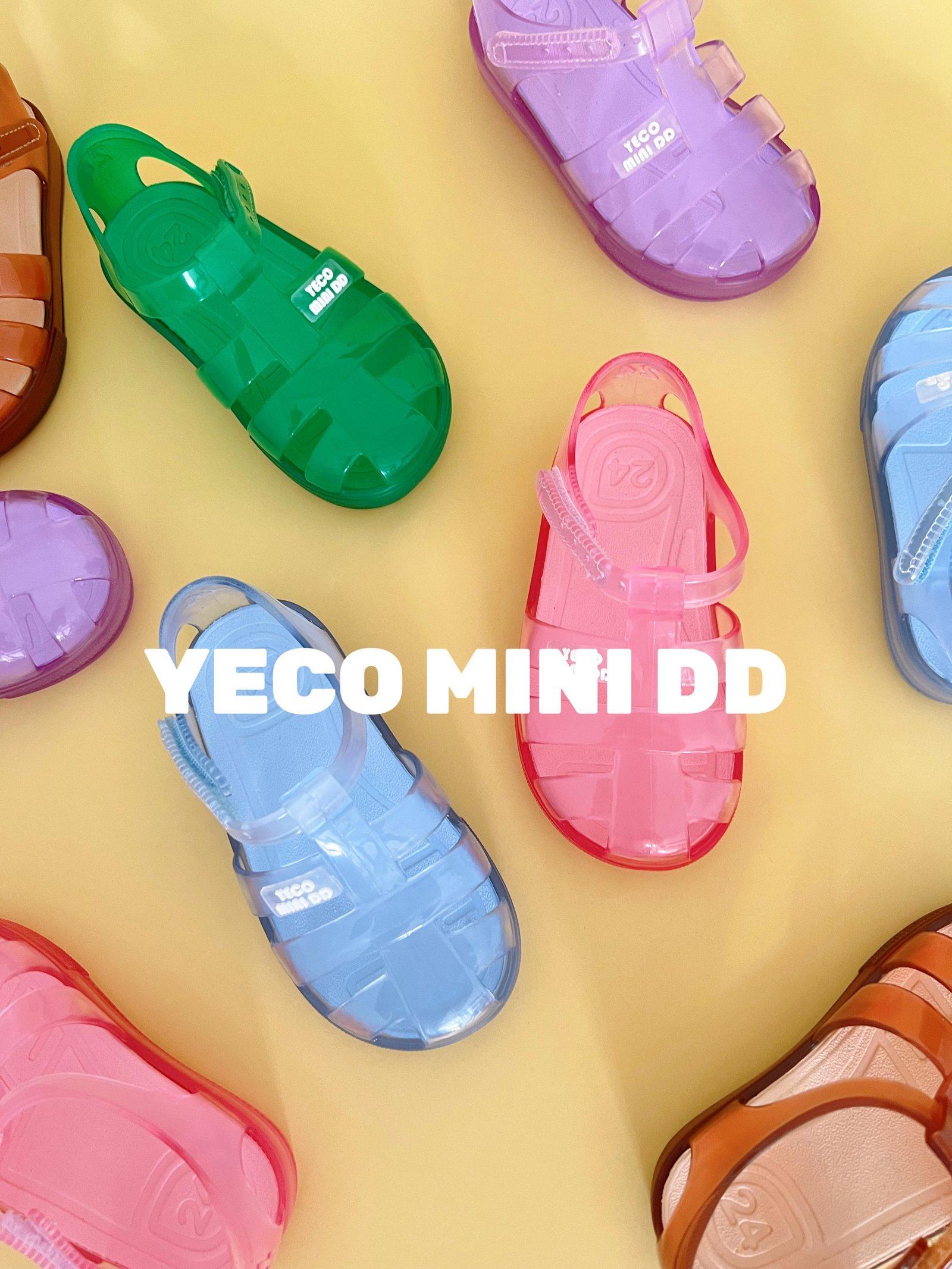
Europe is one of the largest markets for jelly shoes, but importing PVC footwear into the EU comes with specific compliance requirements. This guide covers everything wholesale buyers and importers need to know before placing an order.
The European Jelly Shoe Market
Demand for jelly shoes in Europe has grown significantly since 2020, driven by fashion trends in the UK, Germany, France, and the Netherlands. Key sales channels include Amazon EU marketplaces (amazon.de, amazon.fr, amazon.co.uk), Zalando, and independent boutiques.
CE Marking: What It Means for Footwear
CE marking is mandatory for certain product categories sold in the EU. For children’s footwear, CE marking confirms the product meets EU safety directives. When sourcing from a Chinese factory, always request:
A factory that cannot provide these documents is not compliant for EU sales.
REACH Compliance: The Chemical Regulation
REACH (Registration, Evaluation, Authorisation and Restriction of Chemicals) is the EU’s primary chemical regulation. For PVC jelly shoes, the key restrictions cover:
Always request a REACH test report covering these substance groups before importing.
UK Market Post-Brexit
Since Brexit, the UK operates its own UKCA marking system, separate from CE. For most PVC footwear categories, UKCA requirements mirror CE, but importers should verify with their customs broker.
EU Customs & Import Duties
Jelly shoes imported from China into the EU typically fall under HS code 6402.99 (other footwear with outer soles and uppers of rubber or plastics). The standard EU import duty rate is 17%. VAT is applied on top at the destination country’s rate.
Tip: Work with a freight forwarder experienced in footwear imports to ensure correct HS code classification and smooth customs clearance.
Minimum Order Quantities for European Buyers
Many European boutique retailers and Amazon EU sellers prefer smaller initial orders to test new styles. Look for factories offering mixed orders from as low as 60 pairs — allowing you to validate demand across multiple colorways before scaling.
Why Documentation Matters More Than Price
Experienced European importers know that the cheapest supplier is rarely the best choice. A single customs hold or Amazon compliance reje